General Water Tank Lining Types

Since the invention, including in the tank lining environment, epoxy resin coating has become the main force to control corrosion. Because epoxy coatings are a versatile technology, the endless variations and uses of epoxy liners cannot be listed here. Technologies such as Novalac epoxy mean that they can now be used in more aggressive and higher temperature environments than ever before.
Potential Uses;
- Water Tank Linings – Both WRAS and Regulation 31 approved materials are available
- Steel Tank Linings
- Chemical tank linings
- High temperature tank linings
- Concrete tank linings – with reinforcement if required
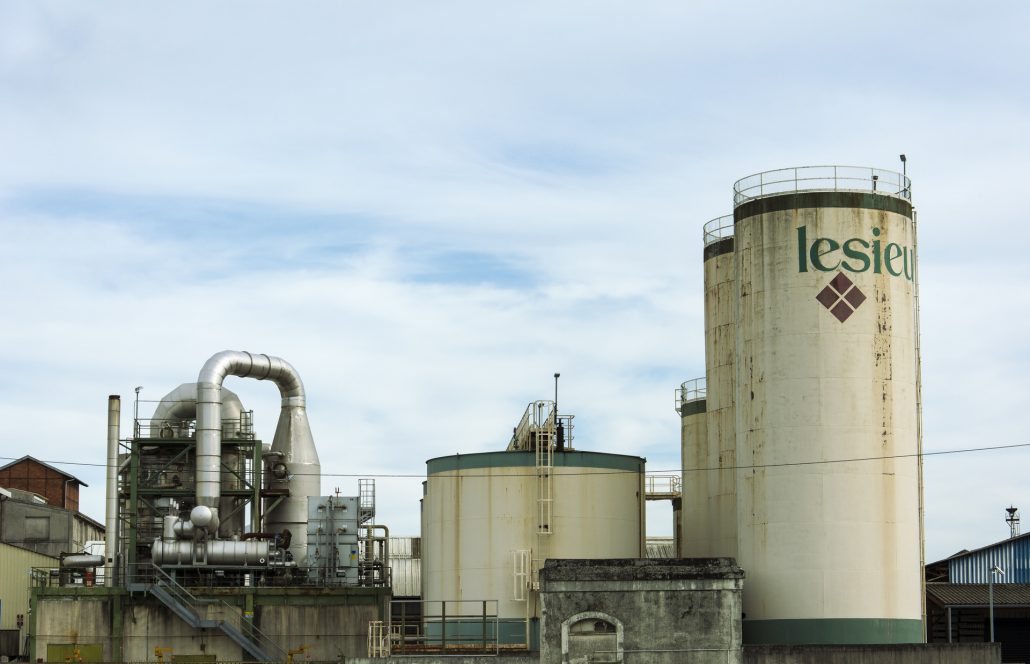
Cementitious Tank Linings, polymer-modified cement linings and epoxy-modified cement linings have been widely used in concrete tank linings throughout the industry and water treatment for many years. A particular benefit of cement linings is that they are commonly used for waterproofing underground structures. Usually cement tank linings are steam permeable, which also means that they are particularly suitable for use in underground structures.
Potential Uses;
- Water Tank Linings
- Concrete Tank Linings
- Underground Tank Linings
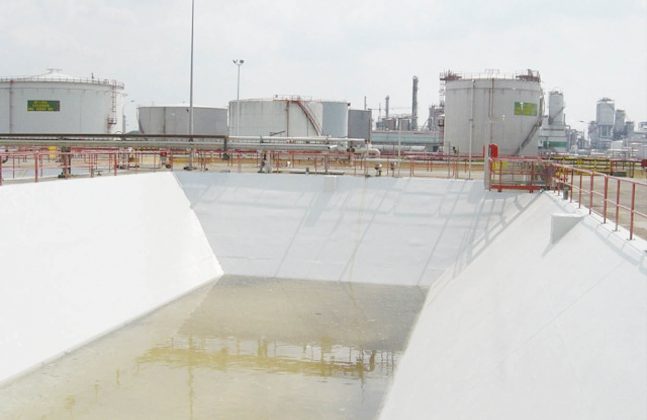
This proven technology provides some of the highest levels of chemical resistance when applying a protective liner. Because this material can withstand chemical attack even at high temperatures, it has been used extensively throughout the chemical process and in refinery environments.
Potential Uses;
- Steel Tank Linings
- Chemical tank linings
- High temperature tank linings
- Concrete tank linings – with reinforcement if required
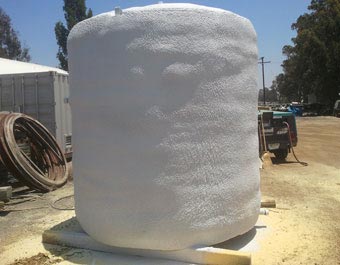
Like epoxy, Polyurethane Tank Lining is a very versatile technology with many variations and uses. Not all polyurethanes are suitable for tank linings, and any polyurethane used should be designed specifically for this purpose. Polyurethanes can be made flexible, brittle or somewhere in between through different formulations. Flexible/cracked bridging materials are particularly suitable for concrete structures.
Potential Uses;
- Water Tank Linings – Both WRAS and Regulation 31 approved materials are available
- Steel Tank Linings
- Chemical tank linings
- Concrete tank linings

Polyurea materials are a relatively new phenomenon in the world of tank linings, and their commercial applications began in the 1990s. Typically, due to the very fast gel time of the material (usually less than 10 seconds), the material is applied by professional spray equipment. This material typically has excellent strength and flexibility and has an elongation of up to 900%. As with epoxy and polyurethane, there are many different versions available for different applications.
Potential Uses;
- Water Tank Linings – Both WRAS and Regulation 31 approved materials are available
- Steel Tank Linings
- Chemical tank linings
- Concrete tank linings


