Biogas Digester Kl

Biogas Digester


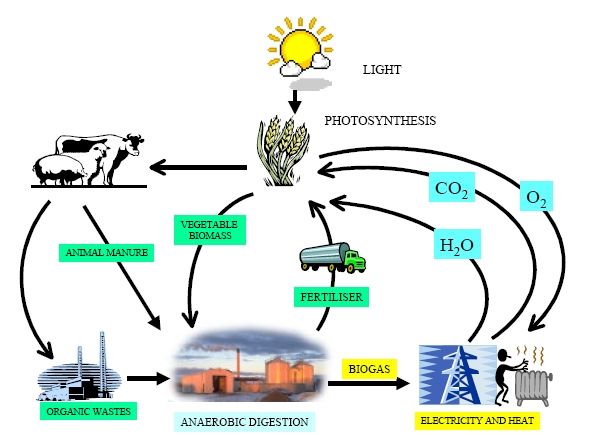
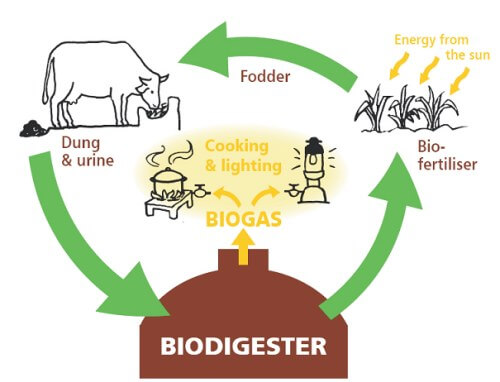
A biogas digester (also known as a biogas plant) is a large tank where inside biogas is produced by decomposition/decomposition of organic matter called anaerobic digestion. It’s called a digester because organic matter is swallowed and digested by bacteria to produce biogas. A biogas digester forms the most critical part of biogas production because without it, no biogas would not decompose organic waste or materials during production. To understand how biogas is produced, it’s important to understand the components of a biogas digester, which itself is part of a biogas electric generator plant. A typical biogas digester has a container for organic matter and water. This mixture of water and organic matter is called a slurry.


Key benefits:

  • Collect biogas to be converted into green energy.
  • Control odours.
  • Provide thermal insulation.
  • Lower operating costs.
  • Allow access for sampling and maintenance.
  • An alternative source of energy.
  • Can lower greenhouse gas emissions from sources like manure and food waste.
  • Refined to power vehicles that run on natural gas.
Card image cap
Composition of a Biogas Digester :

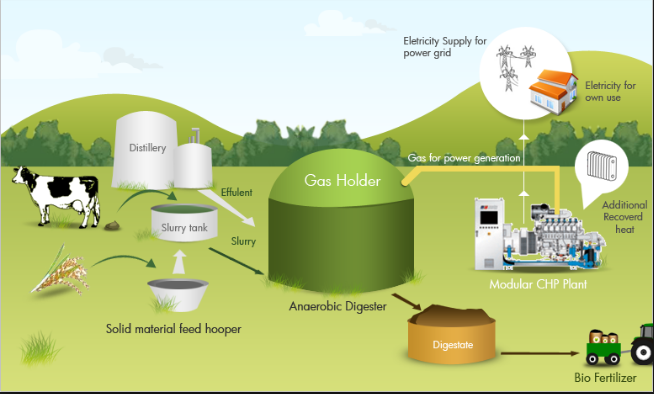
A biogas digester has another container for storing the gas generated by the decomposition of organic matter. The digester has connection systems in the form of pipes that feed the digester with the slurry and connects the container containing the slurry to the container containing the gas. There is also a transport system to take the biogas to where it will be used. The digester also has a mechanism for discharging the residue.

Card image cap
Fixed Dome Biogas Digester :

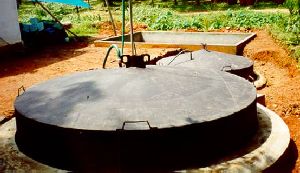
This type of biogas digester is very common. In this design, the container for collecting the slurry and the container for collecting the gas are combined. The gas collects on top of the slurry. As the gas builds up, the slurry is forced into another container. After the gas is removed, the slurry will flow back to the original container. In addition to plants and vegetation, other decomposable organic matter is human sewage and cow dung.

Card image cap
How Biogas Is Produced :

For a biogas digester to produce gas, it requires methanogenic bacteria. After the introduction of methanogenic bacteria, the bacteria will multiply and the process will continue indefinitely and there is no risk of bacterial death. Once the bacteria are introduced, the process of biogas production will never stop.

Card image cap
Materials that can produce biogas :

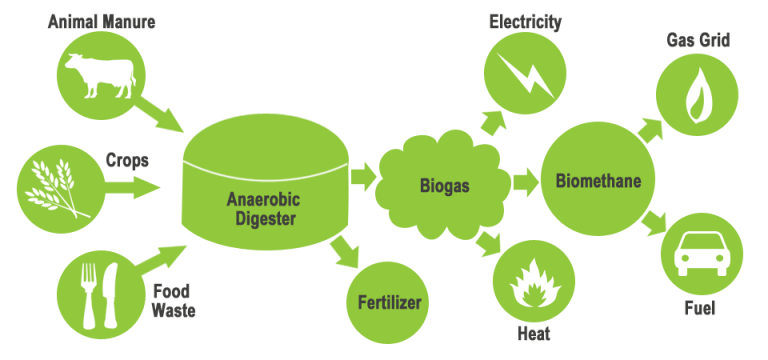
Most biogas digesters use cow dung to produce biogas. As mentioned above, there are many other organic materials that can be used to produce biogas. Like left over food scraps, vegetation etc.Some digesters can be fed with grey water (grey water is a term used to refer to used water). Other common organic materials used in biogas digesters include sewage, glycerin, algae and grasses. In short, anything organic can be fed to the digester provided it’s biodegradable and has a low cellulose content.


JOIN US ON